


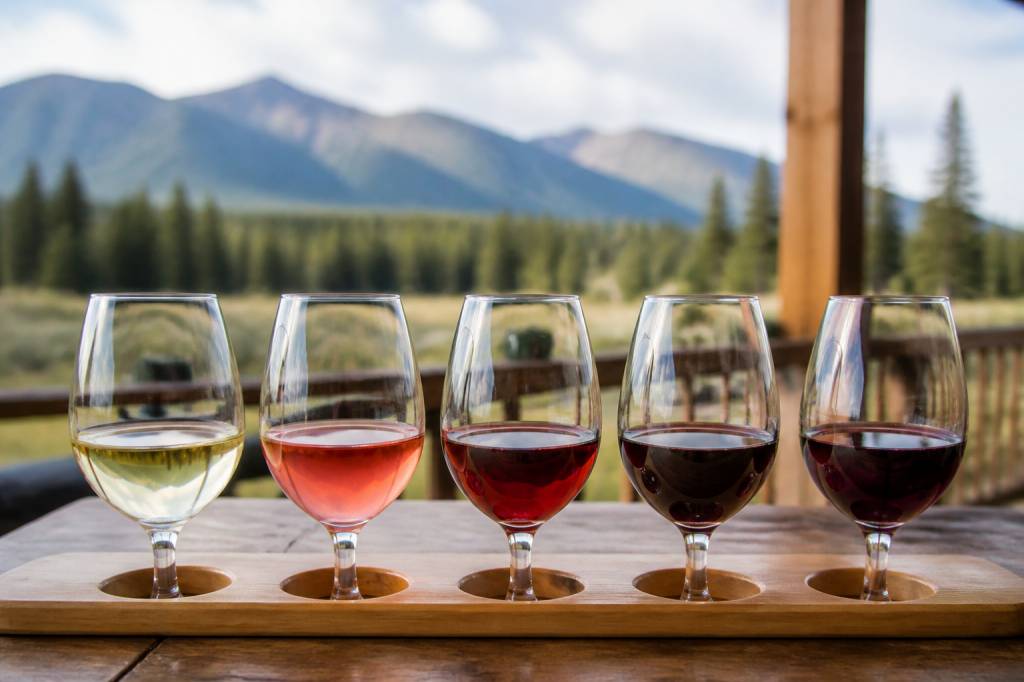
Planning a tasting at Bear Creek Winery in Alaska is not quite the same as walking into a winery in Napa, Sonoma, or even Oregon. The setting, the fruit, and often the wines themselves reflect a very different place and philosophy. That is exactly what makes the experience worth understanding before you go. If you arrive expecting only classic Cabernet or Chardonnay, you may miss the point. If you arrive curious, you will likely leave with a better sense of how Alaska’s climate shapes wine style, how fruit wines behave in the glass, and why local tasting rooms have become such a distinctive part of the state’s food-and-drink culture.
This guide is designed to help you get more from a Bear Creek Winery tasting, whether you are a first-time visitor or someone who already knows your way around a flight. We will focus on what to expect, how to taste intelligently, and how to make the most of the experience without overcomplicating it. Wine should be understood, yes, but it should also be enjoyed. Nobody needs a spreadsheet at the tasting bar.
What makes a tasting at Bear Creek Winery different
The first thing to understand is that Alaska wineries operate in conditions that would make many traditional wine regions look almost luxurious. Short growing seasons, cooler temperatures, and limited vineyard possibilities mean that winemakers often work with fruits that thrive in northern climates or source ingredients that suit the environment better than classic vinifera grapes. In practical terms, that means the tasting lineup may include fruit wines, blends, meads, or grape-based wines adapted to local realities.
Bear Creek Winery is part of that broader Alaskan approach: expressive, regional, and often pleasantly surprising. Rather than trying to imitate a California tasting room, the experience usually emphasizes local character. You may find wines with bright acidity, noticeable fruit aromatics, moderate alcohol, and styles that lean toward freshness rather than heavy extraction. If you like wines with precision and personality, that is a good thing.
A useful mindset: do not ask whether the wine tastes like a textbook example of a global style. Ask instead what it is trying to be. That question changes the whole experience.
How to prepare before you arrive
A little preparation goes a long way, especially if you want to taste with focus rather than just sample and move on. The best tastings are not about drinking quickly; they are about comparing, noticing, and asking the right questions.
Before visiting, check a few practical details:
- Current tasting room hours
- Whether reservations are recommended
- Available tasting formats, such as flights or by-the-glass options
- Food service or nearby dining options
- Any seasonal specialties or limited-release bottles
It also helps to avoid strong cologne or perfume, both because they interfere with aroma perception and because no one wants to sniff lavender while trying to evaluate berry wine. Bring a notebook if you are serious about remembering what you liked, but keep it light. A phone note is usually enough for most visitors.
One more practical point: eat something beforehand. Tasting on an empty stomach makes it harder to judge sweetness, acidity, and balance accurately. It also makes the experience less enjoyable. The goal is to taste thoughtfully, not to turn the afternoon into a chemistry experiment with faster side effects.
What you are likely to taste
Every winery curates its own lineup, but Alaska wineries often share some stylistic traits that are useful to recognize. At Bear Creek Winery, expect wines that may highlight fruits such as blueberry, raspberry, rhubarb, blackberry, cranberry, or other northern fruit sources. Depending on the bottlings available, you might also encounter dessert styles, drier table wines, or seasonal specialties.
When tasting these wines, focus on the same elements you would use with any wine:
- Aroma intensity
- Fruit character
- Acidity
- Sweetness level
- Balance
- Finish
Fruit wines can be deceptively simple at first glance, but they often reveal a lot when you pay attention. A well-made berry wine should not taste like syrup with alcohol. It should show definition, freshness, and enough acidity to keep the palate awake. If it is sweet, the sweetness should be balanced rather than clumsy. If it is dry, it should still have enough fruit concentration to feel complete.
And yes, sweetness deserves special attention. Many visitors assume “sweet” automatically means “less serious.” That is not how quality works. Sweet wines can be beautifully made when the fruit, acidity, and texture are in harmony. The key is balance, not category prejudice.
How to taste like a pro without acting like one
You do not need to turn into a stage sommelier to taste well. A simple method will tell you most of what you need to know. Start by looking at the wine’s color. With fruit wines, deep color may suggest concentration, but don’t overread it. Then smell the wine before you sip. Ask yourself: is the aroma fresh, candied, jammy, floral, earthy, spicy, or herbal?
Once you taste, pay attention to three things in order: entry, mid-palate, and finish. Does the wine feel immediately sweet or dry? Does the flavor broaden in the middle, or does it fade quickly? Does the finish leave a clean impression, or does it become sticky and one-dimensional?
Here is a simple tasting framework you can use:
- First impression: Is the wine welcoming or closed?
- Structure: Is acidity enough to support the fruit?
- Texture: Light, round, silky, or dense?
- Balance: Do any elements dominate?
- Finish: Short, medium, or persistent?
If you are tasting several wines, order matters. Start with drier or lighter wines before moving to sweeter or more intensely flavored ones. Otherwise, your palate can get fatigued quickly. A sweet wine can make the next sample taste flatter than it really is. The palate is polite, but it has its limits.
Questions worth asking at the tasting bar
The best tasting room conversations are the ones that go beyond “Is this your best seller?” Good questions help you understand the winery’s choices and often lead you to something you would have missed otherwise.
Try asking:
- What fruit base is used in this wine?
- Is this style meant to be served chilled or at cellar temperature?
- How sweet is this compared with the rest of the lineup?
- Is this a current vintage or a seasonal release?
- What food pairing do you recommend?
These questions are useful because they frame the wine in context. For example, if a berry wine tastes more lifted than expected, it may be because of higher acidity, a cooler fermentation, or a specific blending decision. If a sweeter wine still feels balanced, there is usually a technical reason behind that. Winemaking is rarely accidental when it is done well.
Also, do not be shy about asking for recommendations based on your preferences. If you typically enjoy Pinot Noir, Riesling, or off-dry whites, the staff can usually steer you toward wines with similar structural traits, even if the fruit source is different.
Best food pairings for Alaska fruit wines
Food pairing is where an Alaska tasting can become especially fun. Fruit wines often perform beautifully with local ingredients, salty foods, and dishes that balance sweetness with acidity. The goal is not always a perfect “wine and cheese board” moment, though that certainly has its place. The real objective is harmony.
Here are a few pairing directions that usually work well:
- Dry berry wines with grilled salmon, duck, or mushroom dishes
- Off-dry wines with spicy foods, glazed pork, or teriyaki-style preparations
- Sweet wines with blue cheese, fruit tarts, or panna cotta
- Rhubarb-based wines with roast chicken or pork tenderloin
- Blackberry or raspberry wines with dark chocolate desserts
If you are building a pairing at home after your tasting, keep seasoning in mind. Alaska-inspired wines often shine next to dishes with sweetness, smoke, salt, or tartness. That makes them more versatile than many people expect. A bright fruit wine can cut through rich food beautifully, while a sweeter bottle can tame heat or sharpen a dessert course.
One simple rule: if the wine is sweeter than the dish, the wine usually wins. Sometimes that is exactly what you want. Sometimes it is not. Choose with intent.
How to buy smart after the tasting
It is easy to leave a tasting room with the bottle that impressed you most in the moment. That is fine, but if you want to make a better purchase, think beyond immediate charm. Ask yourself where and when you will drink the wine. A bottle that dazzles at the bar may be more limited in use at home if it is very sweet or highly specific in flavor profile.
A practical buying strategy:
- Buy one wine to drink soon
- Buy one wine for food pairings
- Buy one bottle that is outside your usual comfort zone
This approach gives you range without overcommitting. It also helps you learn your own preferences. Many drinkers discover that they enjoy fruit-driven wines more than expected once they see how versatile they are at the table.
If you are visiting from out of state, check transport rules and packing options before buying multiple bottles. Alaska tastings can be memorable enough that “just one bottle” becomes “why did I bring only one bag?” Planning ahead prevents regret later.
Seasonal timing and why it matters
In Alaska, seasonality affects almost everything, including the tasting experience. Summer visits may bring a different energy than winter visits, with more travelers, longer daylight, and a generally more active tourism environment. In colder months, tasting rooms often feel cozier and more intimate, which can be a real advantage if you enjoy slower conversations and fewer distractions.
Seasonal variation may also influence what is available in the glass. Limited bottlings, harvest-related releases, and special events can change the lineup throughout the year. That means repeat visits can be genuinely worthwhile, not just a duplicate of your last stop. Good wineries keep the experience alive by changing the conversation as the cellar evolves.
If you are planning a broader Alaska wine route, consider pairing Bear Creek Winery with other local food and beverage stops. The state’s food culture rewards curiosity. A tasting room visit, a local seafood meal, and a scenic drive can make for a very satisfying day without ever needing a complicated itinerary.
Common mistakes first-time tasters make
There are a few classic errors that can get in the way of a good tasting. The first is rushing. Fruit wines, especially, benefit from a moment of attention. The second is judging too quickly by style labels. A wine described as sweet, for example, may still have enough acidity and complexity to be worth buying. The third is ignoring temperature. A wine served too warm can seem heavy; too cold and it may hide its aroma.
Other easy mistakes include:
- Talking over the wine instead of tasting it
- Assuming all fruit wines are dessert wines
- Skipping the rinse water between samples
- Choosing only by label design
- Buying without knowing how the wine will be served
None of these are catastrophic, of course. Wine tasting is not a doctoral defense. But avoiding them helps you get more value from the visit and usually leads to better bottles going home with you.
Why Bear Creek Winery deserves a spot on your Alaska itinerary
A tasting at Bear Creek Winery is more than a quick stop for a glass and a souvenir bottle. It is a window into how Alaska’s climate, ingredients, and local hospitality shape a distinct wine identity. For visitors, that means something memorable. For wine lovers, it means an opportunity to broaden what “wine” can look and taste like.
If you approach the tasting with curiosity, a basic understanding of structure, and a willingness to judge the wine on its own terms, you will get much more out of the experience. You may even find that wines you once would have overlooked become favorites in the right context. That is often how good wine education works: it quietly revises your assumptions.
So taste with focus, ask better questions, and trust your palate. Alaska may not be the first place that comes to mind when you think of wine, but that is exactly why it can be such a rewarding place to explore. Sometimes the most interesting glass is the one that does not fit the usual script.