


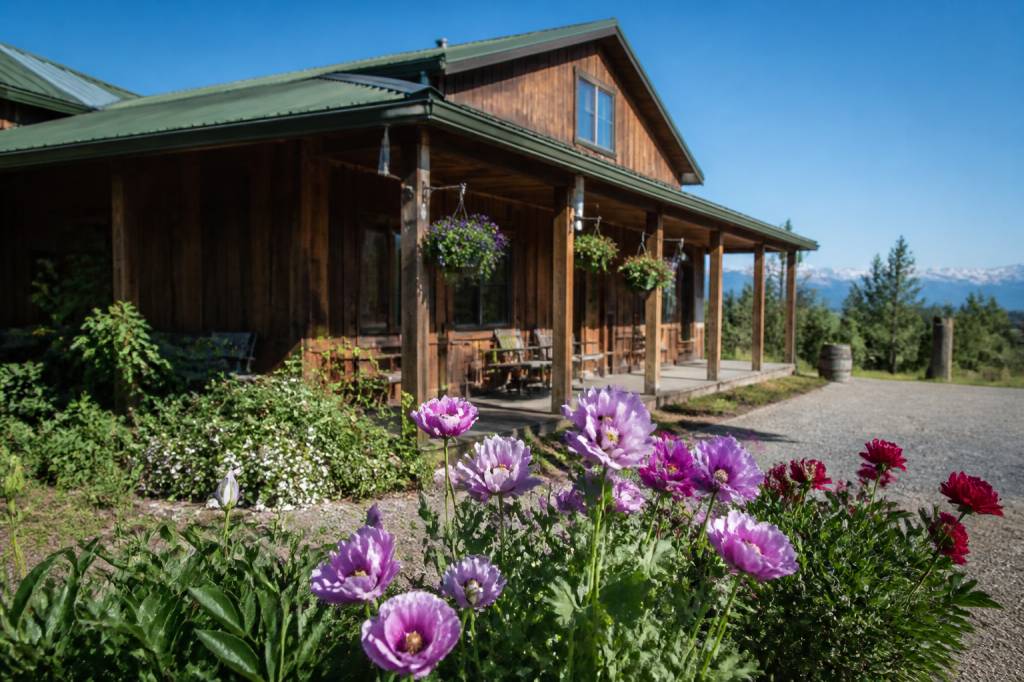
Planning a wine-focused stop on the Kenai Peninsula? Bear Creek Winery and lodging in Homer is one of those places that can turn a simple overnight stay into a full tasting experience. It combines two things that travelers often want but rarely find in the same address: a relaxed place to stay and a working winery with a clear sense of place. In a town like Homer, where the view already does half the work, that combination makes a lot of sense.
For visitors coming through Alaska with a food-and-wine mindset, Homer is not just a scenic detour. It is a destination with its own rhythm: coastal air, strong local food culture, and enough room to slow down without feeling disconnected. Bear Creek Winery fits that rhythm well. It is not trying to imitate a Napa resort or a big-city tasting room. The appeal is more direct than that: local wine, a comfortable lodging option, and a setting that encourages guests to stay a little longer than planned.
Why Bear Creek Winery stands out in Homer
Homer has always attracted people who appreciate the outdoors, but the town also has a quietly strong hospitality scene. Bear Creek Winery stands out because it gives wine travelers a reason to stay on property rather than treating the winery as a quick stop between hikes, harbor walks, and seafood dinners. That matters. A good wine experience is not only about what is in the glass; it is also about the pace of the visit, the setting, and whether the place invites you to pay attention.
What makes the concept especially interesting in Alaska is the contrast. Wine tourism in the Lower 48 often revolves around large tasting rooms, long vineyard drives, and polished itinerary packages. In Homer, the experience tends to feel more personal. You are more likely to remember the conversation, the landscape, and the fact that the wine was tasted in a place where the day still moves with weather and light rather than by appointment alone.
That is useful for travelers who prefer authenticity over spectacle. If you are the kind of guest who wants to ask how a fruit wine is made, why a certain style works in a northern climate, or what local ingredients shape the tasting menu, Bear Creek Winery gives you room for that kind of curiosity.
What to expect from the tasting experience
Wine tasting in Alaska often surprises first-time visitors because the category is broader than many people expect. You may find wines made from grapes, but you will also often see fruit-forward styles that reflect what the region can produce and source reliably. That is part of the fun. Instead of assuming the tasting will mirror what you find in California or Oregon, go in with the right question: what is this winery trying to express in this climate?
At a place like Bear Creek Winery, expect a tasting experience that is accessible but still educational. The best visits usually follow a simple structure: a guided pour, a short explanation of the style, and a chance to compare aromatics and sweetness levels without being rushed. If you have ever sat through a tasting where the staff recites labels like they are reading a shipping manifest, you know how refreshing a more conversational approach can be.
Here are a few things to pay attention to during the tasting:
If you are tasting several wines, resist the urge to judge too quickly. Some styles open up better after a little air or after a second sip. That is not a marketing trick; it is simply how perception works. The first sip tells you the shape, the second sip tells you the details.
Lodging that makes sense for wine travelers
The lodging component is what gives Bear Creek Winery an advantage over a standard tasting room. When your room is close to the winery, you remove the usual travel friction: no need to time a ride, no need to rush through a bottle purchase, and no need to negotiate who is driving after the second pour. That kind of convenience changes the whole experience.
For couples, it can create a low-stress weekend escape. For small groups, it can simplify logistics without turning the trip into a formal package. For solo travelers, it offers a rare kind of independence: you can taste, relax, and then actually stay where the wine conversation happened. That may sound minor, but for a destination like Homer, it is one of the details that makes the visit feel coherent.
Lodging at or near a winery also helps if you want to explore the area at an unhurried pace. Homer is known for the spit, the harbor, the art community, and easy access to outdoor activities. A winery stay lets you split the day into clean parts: morning exploration, afternoon tasting, evening dinner, then a short walk back to your room. Simple. Effective. Exactly what a travel itinerary should be when the scenery is already doing enough.
How to pair Bear Creek wines with Homer’s food scene
One of the strongest arguments for wine tourism in Homer is the local food. The town has a natural advantage: seafood is fresh, local ingredients are meaningful rather than ornamental, and many dishes benefit from wines that are bright, aromatic, and not overly heavy. That is a good match for wines often found in Alaska, especially fruit-driven styles and lighter-bodied options.
If you are tasting wines at Bear Creek Winery, think in terms of contrast and balance. A slightly sweet berry wine, for example, can work well with salty, smoky, or savory elements. A brighter, more acidic style can lift richer fish dishes. And if you are enjoying something with a sweeter profile, pair it with heat, spice, or sharp cheese rather than trying to force it into a tannic red-wine template.
Useful pairing ideas for a Homer visit:
If you like to experiment, try tasting the wine alongside local food rather than only before or after dinner. A pairing can change how you perceive sweetness, acidity, and body. A wine that seems almost simple on its own can become much more interesting when paired correctly. That is not magic. It is chemistry with good manners.
Best reasons to stay overnight instead of making it a day trip
Homer deserves more than a quick stop, and Bear Creek Winery makes a strong case for staying overnight. The practical reason is obvious: you can enjoy the tasting without time pressure. But there is also a better reason. Overnight stays let you experience the place in two different moods. In the afternoon, the winery can feel social and bright. By evening, the atmosphere shifts, and the quiet gives the experience more depth.
This matters for wine travelers because context influences memory. A tasting rushed between appointments tends to blur together. A tasting tied to a place you slept in, talked in, and woke up near tends to stick. You remember the room, the glass, the smell of the air, and the food you paired it with. That is how a visit becomes part of the trip rather than just a checkbox on the itinerary.
There is also a simple quality-of-life point: if you are visiting Homer in peak season, having lodging close to the winery can save time and reduce stress. No one enjoys hunting for a room after a long day of driving and tasting. The best travel days are the ones that feel organized without feeling overplanned.
How to get the most from your visit
A winery stay goes better when you treat it as an experience rather than a transaction. That does not mean you need to know wine jargon or have a collector’s palate. It means showing up prepared to taste carefully, ask useful questions, and notice the details that make the place distinct.
Before you go, it helps to think about what kind of wines you usually enjoy. Do you prefer dry or off-dry styles? Do you like fruit intensity or more restrained flavors? Are you looking for something food-friendly, or do you want a bottle that feels more like a dessert wine? Knowing your own preferences helps the staff guide you more effectively.
During the visit, keep these tips in mind:
If you are traveling with someone who is not a wine enthusiast, that is fine too. The setting can still make the visit worthwhile. A good winery is not only for experts. It is for anyone who enjoys hospitality done with enough care to make the details matter.
Why Homer is a strong fit for wine and lodging experiences
Homer has a natural advantage that many wine destinations envy: it is already a place people want to linger. The scenery is obvious, but the town also has enough cultural and culinary texture to support a slower pace. That is ideal for a winery stay. You are not squeezing wine into an itinerary that has no room for it. You are building the trip around a place that rewards slow movement.
In practical terms, that means Bear Creek Winery and lodging can serve several kinds of travelers well. Couples can use it as a base for a romantic weekend. Food lovers can use it as a launch point for local dining. Curious visitors can use it to learn how Alaskan wine styles differ from the mainstream. And if you are simply looking for a comfortable stay with a built-in reason to unwind, that works too.
The broader appeal is not complicated. Homer gives you the landscape, the harbor, and the coastal energy. Bear Creek Winery adds a focused tasting experience and a place to stay that keeps the whole visit contained and convenient. When those elements line up, the trip feels intentional without becoming rigid.
What makes this experience memorable
The most memorable winery visits usually share one thing: they feel connected to where they are. Bear Creek Winery and lodging in Homer fits that pattern. It is not trying to be everything at once. It is a place where the wine, the stay, and the setting support each other. That makes it especially appealing to travelers who value clarity and authenticity over flash.
If you visit with an open palate, you will likely leave with more than a bottle or two. You will leave with a better sense of how Alaskan wine culture works in practice: what flavors thrive here, how hospitality adapts to climate and location, and why a thoughtfully run winery stay can feel more satisfying than a crowded tasting room miles from your hotel.
And if your ideal travel day includes good wine, a comfortable room, and a harbor town that knows how to slow down without losing character, Homer is probably already on your map. Bear Creek Winery simply gives you one more reason to stay a little longer.