


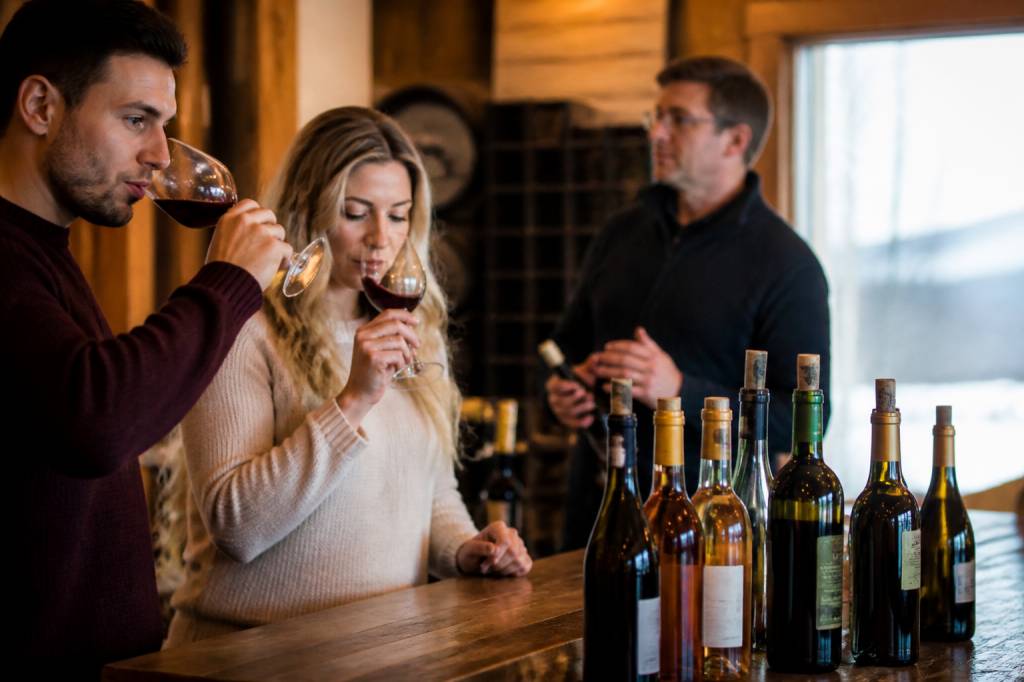
When people think of wine regions, Alaska is probably not the first place that comes to mind. Yet that is exactly what makes tasting at Alaska Denali Winery interesting: it challenges assumptions, then rewards curiosity. This is not a story about Bordeaux clones, sun-drenched hillsides, or centuries of vineyard tradition. It is about craftsmanship in a northern climate, fruit-driven wines, and a tasting experience shaped by place as much as by process.
If you are planning a visit, or simply want to understand what makes wineries in Alaska distinct, this guide will walk you through what to expect at Alaska Denali Winery, how to taste with purpose, and how to get the most from your time there. The goal is not to romanticize the unusual. It is to help you taste better, ask better questions, and leave with a clearer sense of what Alaska-made wine can be.
What Makes Alaska Wineries Different
Let’s start with the obvious: Alaska is not a traditional grape-growing state. The climate makes large-scale viticulture extremely challenging, and that shapes the style of wine production across the state. Many Alaska wineries work with fruits such as berries, rhubarb, cherries, apples, and other cold-climate ingredients rather than relying on classic Vitis vinifera grapes.
This does not make the wines lesser. It makes them different. And different is worth understanding on its own terms.
At Alaska Denali Winery, that difference shows up in aromas, texture, and sweetness balance. Fruit wines often have a brighter, more immediate aromatic profile than grape wines. You may notice cranberry-like tartness, blueberry depth, or floral notes that feel vivid rather than subtle. The acidity can be lively, which is a strength when it is handled well. It gives the wine structure and keeps sweetness from becoming flat.
In practical terms, tasting Alaska wines requires a slight shift in mindset. You are not comparing them to Cabernet Sauvignon or Chardonnay. You are evaluating freshness, balance, fruit definition, and how the winery manages sweetness, acid, and alcohol. That is where the conversation gets interesting.
What to Expect During a Tasting at Alaska Denali Winery
A good tasting should feel welcoming, informative, and paced well. At Alaska Denali Winery, the experience is typically centered on discovery. You are there to learn how local ingredients are transformed into wine, and the staff can guide you through styles that may be unfamiliar if your wine experience has mostly been grape-based.
A standard tasting often includes several pours that showcase a range of expressions, from lighter, fresher profiles to richer or more dessert-oriented styles. Expect the team to explain the base ingredient, the fermentation approach, and the intended style. That context matters. A sweet berry wine, for example, should not be judged only on its sugar level. You need to look at acid, aroma intensity, and finish.
If you are visiting with friends, you may notice that everyone gravitates toward different wines for different reasons. One person prefers tart and crisp. Another wants round and lush. That is normal, and it is part of the fun. A tasting room is not a courtroom. You are not here to produce the “correct” opinion; you are here to taste with attention.
Here is what to keep in mind during the visit:
How to Taste Alaska Wine Like a Pro
You do not need formal training to taste well, but a simple method helps. The biggest mistake visitors make is treating a tasting like a quick sample rather than an exercise in observation. Slow down a little. The wine will not mind.
First, look at the wine in the glass. Color can tell you something about the fruit base and the level of concentration. A deep ruby tone suggests darker berries, while a lighter pink or garnet hue may point to brighter fruit or a lighter extraction style.
Next, swirl gently and smell the wine. Because many Alaska wines are fruit-driven, the nose can be especially expressive. Try to identify whether the aromas are fresh, cooked, candied, floral, spicy, or herbal. If you smell berry jam, that may be intentional. If you smell boiled fruit or syrup, the wine may be less balanced.
Then taste in small amounts. Let the wine move across the tongue. Is it sweet at first but cleans up with acid? Does it feel thin or broad? Is the finish short and simple, or does it linger with a clean fruit note?
A helpful tasting checklist:
If you want one practical tip, it is this: pay special attention to balance. In fruit wine, sweetness is not the issue. Unbalanced sweetness is the issue. A well-made wine should feel complete, not sugary for the sake of being sugary.
Questions Worth Asking the Staff
The best tasting room visits happen when guests ask useful questions. Staff members can usually tell when someone is genuinely interested, and that often leads to a more rewarding conversation. You do not need to sound technical to be taken seriously. Simple, precise questions are enough.
Good questions include:
These questions do more than fill time. They help you understand the logic behind the wine. For example, if a wine tastes sweet but still refreshing, that usually means the acidity is doing real work. If a wine feels dense and heavy, it may be better suited as a dessert pour or a small after-dinner glass.
And if you are curious about production, ask about fermentation vessels, fruit sourcing, and blending decisions. Alaska wineries often have to make thoughtful choices to preserve fruit character in a demanding climate. Those choices are part of the story in the glass.
Food Pairing Ideas That Work With Alaska Wines
Pairing food with fruit wine is not difficult, but it does require a different framework than classic grape-wine pairing. The safest rule is to match intensity and balance sweetness carefully. Bright, tart wines like equally bright foods. Sweeter styles need salt, spice, or richness to avoid becoming one-dimensional.
At Alaska Denali Winery, you can think in terms of broad pairing directions rather than rigid rules. Here are some reliable ideas:
If the wine has strong acidity, it can be excellent with creamy textures. Acid cuts richness, which is why a fruit wine can work surprisingly well with cheesecake or brie. On the other hand, if the wine is very sweet, avoid pairing it with a dish that is even sweeter unless dessert is the point. Otherwise, the wine may seem flat.
A small but useful note: serving temperature matters. Most fruit wines show better when slightly chilled, especially in a tasting room. Cold enough to stay fresh, warm enough to show aroma. That is the sweet spot. Yes, temperature can make a simple wine feel much more refined.
Why Alaska Denali Winery Is Worth the Stop
Not every winery needs to look like a postcard from Napa to be worth visiting. Alaska Denali Winery has a different value proposition: it offers a tasting experience rooted in local identity. That means the visit is not only about flavor. It is also about seeing how a winery adapts to place rather than trying to imitate another region.
That matters. Wines become more memorable when they reflect their environment honestly. In Alaska, that often means working with cold-climate fruits, preserving natural brightness, and embracing styles that are energetic rather than heavy. The result is a tasting that feels distinct, even if you have visited wineries across the United States.
For travelers, this is also part of the appeal. You can pair your visit with a broader Denali experience, which makes the stop feel connected to the landscape rather than detached from it. The wine becomes part of the trip instead of just another tasting appointment.
If you enjoy learning how wine adapts to place, you will find plenty to appreciate here. If you are new to fruit wine, the staff can help you understand it without jargon. That combination is rare and valuable.
How to Make the Most of Your Visit
A little preparation goes a long way. You do not need a detailed agenda, but a few smart choices can improve the experience significantly.
Before you go, avoid heavy perfumes or colognes. They interfere with aroma perception, and aroma is a major part of tasting. Eat something beforehand so you are not tasting on an empty stomach. Bring water if you plan to sample several wines. And if you are buying bottles, consider what you actually drink at home, not just what seemed exciting in the tasting room.
It also helps to take notes. Nothing elaborate. Just a few words about fruit character, sweetness, and your overall impression. The wines can be memorable, but your palate may not remember every detail after the third stop on your road trip.
During the visit, stay open-minded. A wine that seems unusual at first may turn out to be the most versatile one on the table. A style you expected to dislike may surprise you. That is often what happens when people taste thoughtfully instead of defensively.
Useful habits for a better tasting:
Bringing Alaska Wine Home
If you find a wine you like, consider how you will serve it later. Fruit wines are flexible, but they are not all interchangeable. Some are best chilled and served on their own. Others work better with food or in simple cocktails. A berry wine with bright acidity can be excellent mixed with sparkling water and citrus. A richer style can stand in for a dessert wine after dinner.
When storing bottles, treat them like other wines: keep them away from heat and sunlight, and do not leave them in a warm car after the visit. That last point sounds obvious, but it happens more often than wineries would like. A bottle should make it home in the same condition it left the tasting room.
If you are buying for a gathering, think about guests who may not usually drink wine. Alaska fruit wines can be an accessible introduction because they often offer familiar aromas and a softer entry point than tannic red wines. They can also spark conversation, which is half the value of opening a bottle in the first place.
In the end, tasting at Alaska Denali Winery is about more than sampling local wine. It is a chance to see how craftsmanship adapts to environment, how flavor can be built from ingredients outside the usual canon, and how a tasting room can educate without becoming formal or intimidating. If you arrive curious, taste carefully, and ask a few good questions, you will leave with more than a bottle. You will leave with a better palate and a clearer sense of what makes Alaska wine worth knowing.