Bear creek wine company and brewery: wine, beer, and tasting experiences in alaska
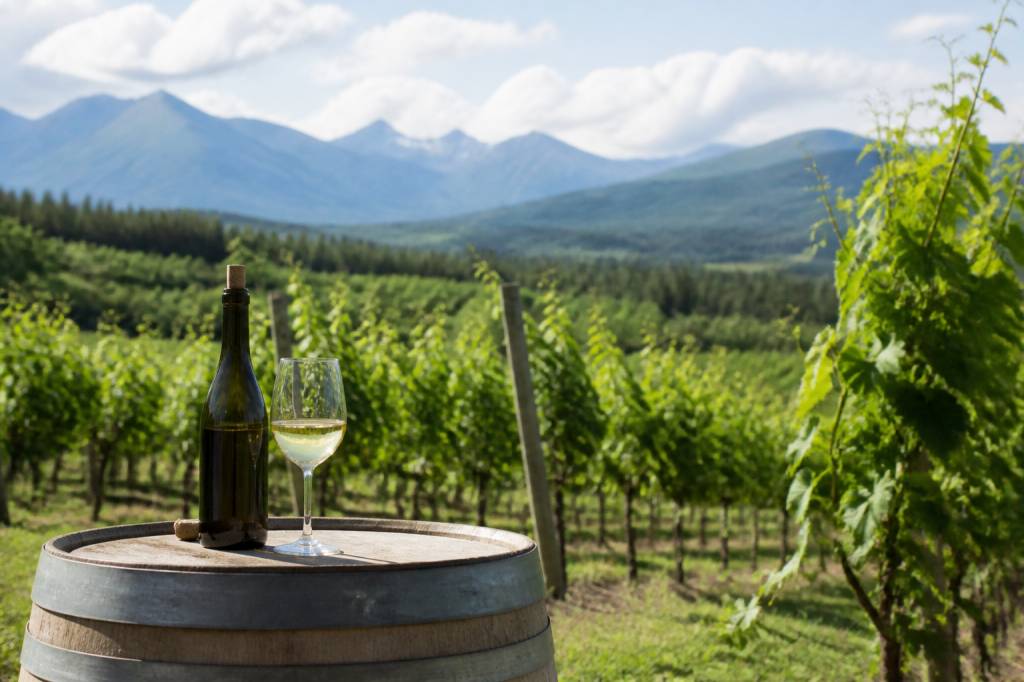
Alaska has a way of making simple pleasures feel a little more memorable. A glass poured after a cold drive, a tasting room visited between outdoor stops, a local beer enjoyed with something fresh from the grill—these moments tend to land differently here. That is part of what makes Bear Creek Wine Company and Brewery such an interesting stop for travelers and locals alike. It brings wine, beer, and a relaxed tasting experience into a setting where the landscape already does some of the heavy lifting.
If you are used to thinking of Alaska mainly in terms of seafood, glaciers, and rugged scenery, a winery-brewery pairing might sound unexpected. But that is exactly why places like Bear Creek stand out. They reflect a broader trend in American beverage culture: small producers creating versatile, approachable spaces where visitors can taste, learn, and linger without needing to be an expert.
What Bear Creek Wine Company and Brewery offers
Bear Creek Wine Company and Brewery is appealing for one simple reason: it gives guests two different tasting paths under one roof. Wine drinkers can explore a range of styles, while beer fans can sample local brews with the same low-pressure, welcoming atmosphere. For mixed groups, that matters. Not everyone at the table wants the same thing, and a place that handles both well makes the visit much easier.
That dual identity also says something about Alaska’s beverage scene. In a state where logistics can be challenging and seasonality shapes nearly everything, producers often need to be practical, flexible, and focused on what guests actually want. A winery-brewery concept is not just novel; it is efficient, social, and perfectly suited to travelers who want variety without spending the whole afternoon driving from one stop to another.
For visitors, the main attraction is not only the drinks themselves, but the experience around them. Tasting rooms work best when they feel approachable. You do not need to know the difference between malolactic fermentation and mash temperature to enjoy the visit. Still, if you are the kind of person who likes to understand what is in your glass, this is the sort of place where those questions usually get a friendly answer.
Why this kind of tasting experience works so well in Alaska
Alaska is not California, Oregon, or Washington, and that is exactly the point. The climate, distance between towns, and travel patterns shape how people experience wine and beer here. Visitors are often moving between outdoor activities, scenic drives, and small communities. That creates a strong case for tasting rooms that are efficient, educational, and comfortable.
At a place like Bear Creek, the visit can fit into a broader day without feeling rushed. You might spend the morning exploring the area, then stop in for a tasting before dinner. Or you may be staying nearby and simply want a low-key evening with a flight, a conversation, and maybe a bottle to take back with you.
There is also something genuinely useful about trying both wine and beer in the same session. It sharpens your palate. A crisp beer can make you more aware of bitterness, carbonation, and malt sweetness. Then a wine tasting may highlight acidity, texture, and oak more clearly. In other words, alternating between the two can actually make you a better taster. Not a bad return on investment.
What to expect from the wine side
Without overcomplicating things, a good winery tasting experience should help you understand style, balance, and intention. At Bear Creek Wine Company, the wine program is part of the identity, not an afterthought. That means visitors can expect a selection that is meant to be enjoyable on its own and adaptable at the table.
Depending on the current lineup, guests may find wines that lean fruity and easygoing, as well as bottles with more structure or a drier finish. That range matters because tasting rooms serve different audiences. Some guests are just beginning to explore wine; others want to compare aromatics, body, and finish across several pours. A thoughtful winery can satisfy both groups.
When tasting wines in an Alaskan setting, it helps to pay attention to how the wines feel rather than only what they taste like. Cooler climates and colder service temperatures can emphasize freshness and tension. Here are a few things worth noticing:
- Acidity: Does the wine feel lively and mouthwatering, or soft and rounded?
- Sweetness level: Is it technically dry, off-dry, or clearly sweet?
- Aromatics: Do you get citrus, stone fruit, berries, spice, or floral notes?
- Texture: Is the wine light, medium, or fuller-bodied?
- Finish: Does the flavor fade quickly, or stay with you?
That kind of observation turns a casual tasting into a more rewarding one. And if you are visiting with friends, it also gives you something better to talk about than “I like the red one.” Though, to be fair, there is nothing wrong with that if the red one is the right answer.
What the brewery side adds to the visit
The brewery component broadens the appeal considerably. Beer tasting is often more immediate than wine tasting: the aromas are punchier, the carbonation wakes up the palate, and the range of styles can go from clean lagers to richer ales very quickly. For a mixed audience, that makes the experience more dynamic.
In a place like Alaska, beer also has a natural cultural fit. After a day outside, many visitors want something refreshing, straightforward, and satisfying. A well-made beer delivers exactly that. It can reset the palate, pair easily with food, and feel especially welcome in cooler weather.
What should you look for in a brewery tasting? The same basic discipline applies as with wine:
- Balance: Is the hop bitterness, malt sweetness, and carbonation in harmony?
- Freshness: Does the beer taste clean and lively?
- Style fidelity: Does it drink like the style it claims to be?
- Drinkability: Can you imagine having a second glass?
That last point matters more than people think. A beer does not need to be aggressive to be interesting. In fact, in a tasting setting, the best beers often show restraint. They invite another sip instead of overwhelming the senses.
Wine and beer together: how to taste without confusing your palate
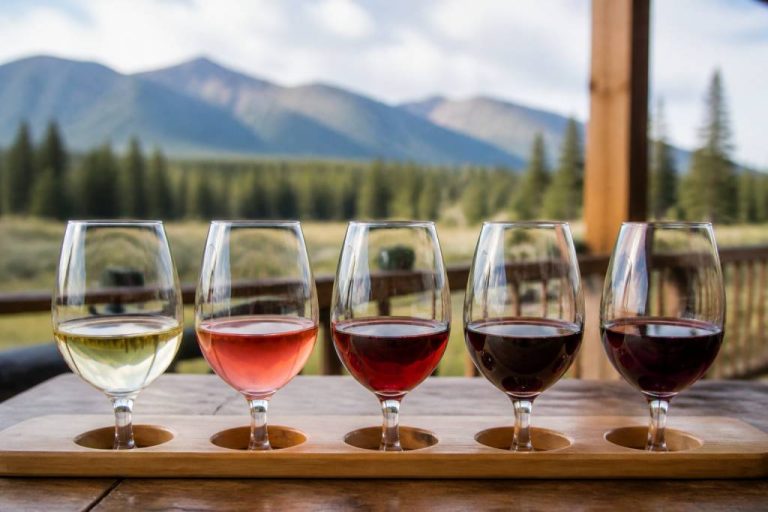
When a venue offers both wine and beer, the trick is to pace yourself. That does not mean making the experience complicated. It just means tasting with a little structure. Start with the lighter, brighter options and move toward fuller, richer pours. If the room has both white wine and pale beer available, it is often smart to begin there before moving to reds or more robust ales.
A simple tasting order can look like this:
- Light beer or sparkling-style pour
- Dry white or aromatic wine
- Amber beer or medium-bodied wine
- Red wine or more intense ale
- Any sweeter or higher-alcohol option at the end
This approach keeps stronger flavors from flattening the more delicate ones. It also helps you notice the strengths of each pour more clearly. The goal is not to rush through the list; it is to preserve contrast. Taste fatigue is real, and nobody wants their third sample to taste like the same vague note of “alcohol” and optimism.
Food pairing ideas that make sense in Alaska
One of the best ways to enjoy a winery-brewery visit is to think about food. Even if the tasting room does not serve a full menu, the principles of pairing still matter. Wine and beer both respond well to salt, fat, acidity, smoke, and sweetness. Those are useful tools in Alaska, where fish, grilled meats, hearty soups, and rich comfort foods are part of the local picture.
Here are a few pairing ideas that fit the region and the format:
- Crisp white wine with salmon: Fresh acidity supports the oiliness of the fish without overpowering it.
- Fruity red wine with grilled meats: Moderate tannin and ripe fruit can handle char and seasoning.
- Pale ale with smoked seafood: Hop bitterness and carbonation help cut through richness.
- Amber beer with burgers or sausages: Malt character complements savory flavors.
- Sweeter wine with dessert: If the dessert is rich, the wine should be just as expressive, or it will taste thin.
If you are bringing snacks or planning dinner after the tasting, keep the flavors fairly clean. Heavy spices, excessive heat, or overly sweet sauces can distort both wine and beer. The objective is not to challenge the beverage for the sake of it. It is to create a better overall experience.
How to get the most from your visit
Good tasting visits are rarely accidental. A few practical choices can make the difference between a pleasant stop and a truly memorable one. If you are heading to Bear Creek Wine Company and Brewery, consider the following:
- Check current hours before you go: Alaska travel plans can shift quickly, and tasting room schedules may vary seasonally.
- Ask about the current flight: Seasonal selections often change, which is useful information if you want the freshest perspective on the house style.
- Share pours when appropriate: If you are tasting both wine and beer, sharing can help you sample more without overdoing it.
- Take notes: A few words on aroma, body, and finish will help you remember what you liked later.
- Buy what you genuinely enjoyed: The best bottle or pack is the one you can picture opening again at home.
It is also worth asking staff what they recommend for first-time visitors. Good tasting room teams usually know which pours best represent the house style and which options tend to surprise guests in a good way. Those are often not the same thing.
Why places like this matter for Alaska’s food and drink culture
Independent beverage businesses do more than pour drinks. They help define a region’s identity. In Alaska, where communities are often spread out and local hospitality carries real weight, wineries and breweries become gathering places. They offer a reason to slow down, ask questions, and connect a product to a place.
Bear Creek Wine Company and Brewery fits into that pattern nicely. It combines accessibility with craft, and it gives visitors a way to experience Alaska through flavor rather than only through scenery. That matters because food and drink are part of how people remember a trip. A beautiful view is powerful, but a memorable glass can bring that memory back months later.
For wine lovers, the stop offers a chance to explore local production in a setting that is friendly rather than formal. For beer drinkers, it adds variety and a sense of place. For mixed groups, it solves a practical problem with style. And for anyone interested in tasting culture, it shows how Alaska continues to build a beverage scene that is both authentic and adaptable.
Who will enjoy it most
Bear Creek Wine Company and Brewery is especially appealing to travelers who want a relaxed tasting without a lot of ceremony. It is a good fit for couples, small groups, and anyone curious about how wine and beer production can share the same hospitality space. If you like learning by tasting, it is the kind of stop that rewards attention without demanding expertise.
It is also a strong option for people planning a broader Alaska itinerary. If your day already includes sightseeing, outdoor activity, or a drive through the area, this kind of stop offers a welcome change of pace. You can sit down, reset, and taste something made with local character in mind.
If your idea of a great tasting room is polished but unpretentious, informative but not stiff, Bear Creek Wine Company and Brewery belongs on your list. It is exactly the kind of place where a good pour feels connected to the setting, and the setting makes the pour taste better.
À propos de l'auteur