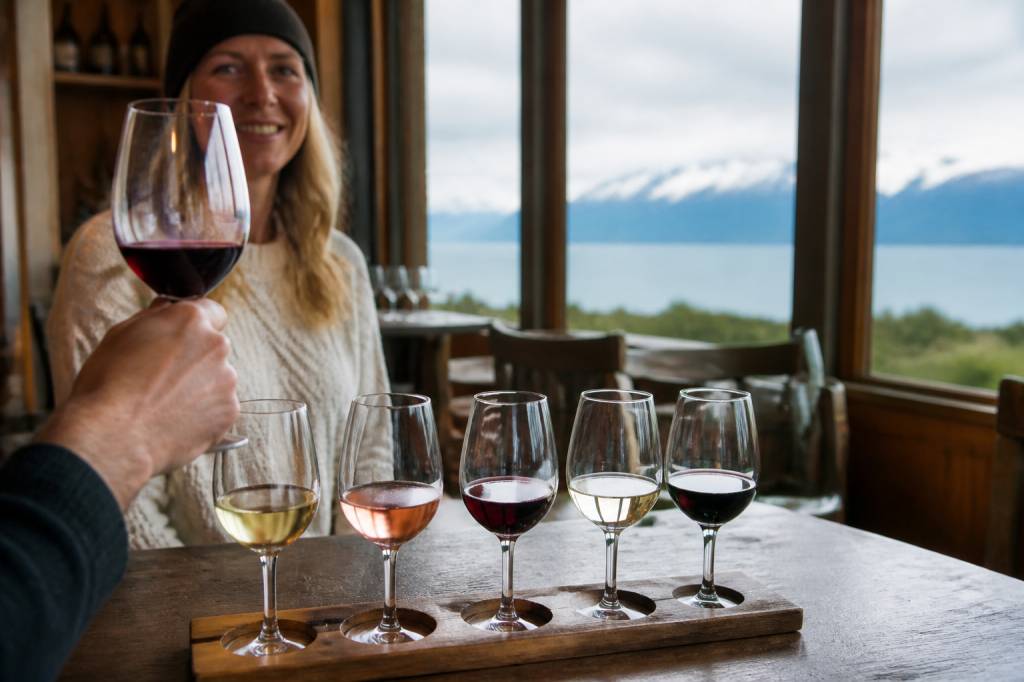
Homer Alaska winery guide for wine tasting and local experiences
Homer is one of those Alaska towns that rewards slow travel. You come for the view across Kachemak Bay, the food scene, the galleries, the harbor, and the easy access to wild places. If you also enjoy wine, the visit becomes even more interesting because Homer offers a rare mix of coastal adventure and tasting-room culture that fits surprisingly well with Alaska’s independent food scene.
This guide is for travelers who want more than a quick glass and a souvenir bottle. It covers how to approach wine tasting in Homer, what to expect from local wine experiences, and how to build a day that balances good wine with the kinds of activities that make this town memorable. If your ideal trip includes a tasting flight followed by halibut, a beach walk, and a sunset over the bay, you are in the right place.
Why Homer is a strong stop for wine-minded travelers
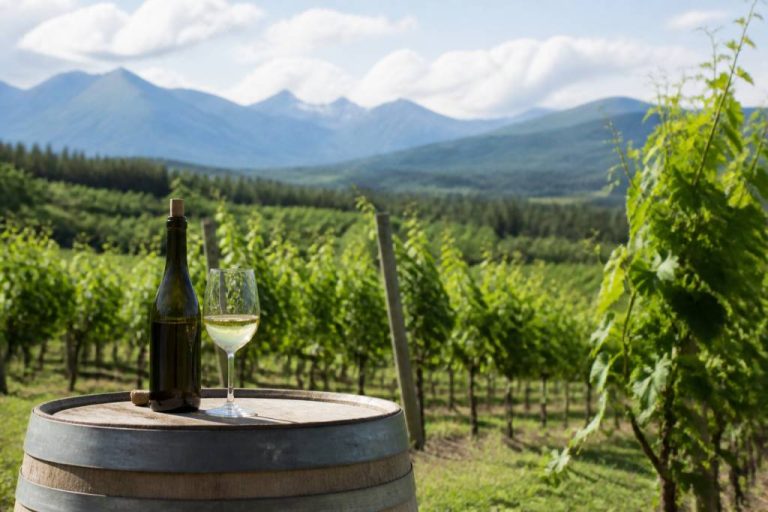
Homer is not a classic vineyard destination, and that is exactly why it works. In Alaska, the wine experience tends to be centered around tasting rooms, regional wineries, and producers who focus on cool-climate fruit, creative blends, or fruit wines that reflect the state’s local identity. Homer fits that model well. It is a place where people care about craft, local sourcing, and memorable hospitality.
The town also has a strong food culture for its size. That matters because wine tasting is rarely just about the wine itself. It is about context: what you eat, who serves you, how you move through the day, and whether the setting makes you want to stay for one more pour. Homer does that nicely.
There is also a practical advantage. Homer is easy to enjoy at a measured pace. You can schedule a tasting, explore the waterfront, and still have time for a great meal without spending half the day in transit. For travelers who prefer quality over quantity, that is a good arrangement.
What to expect from a wine tasting in Homer
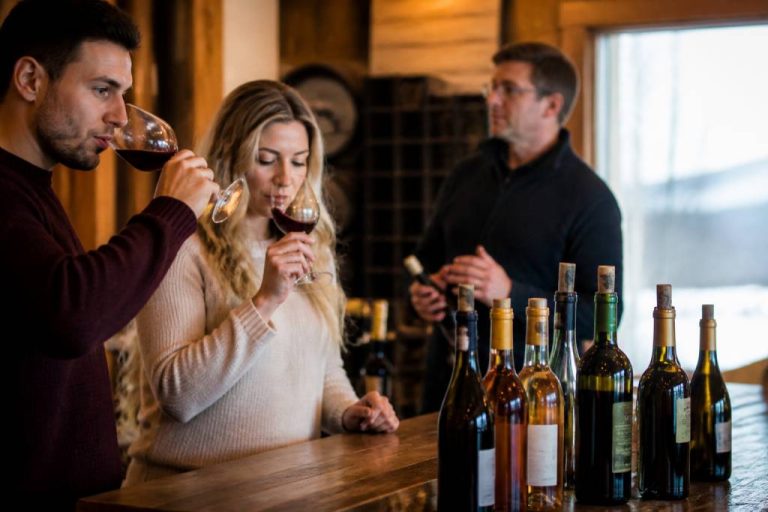
If you have visited large wine regions, adjust your expectations. A Homer tasting is usually more intimate, more conversational, and often more educational than theatrical. You are less likely to encounter polished tasting scripts and more likely to meet someone who knows the product personally and can explain how it was made, where the fruit came from, and why a particular style works in Alaska.
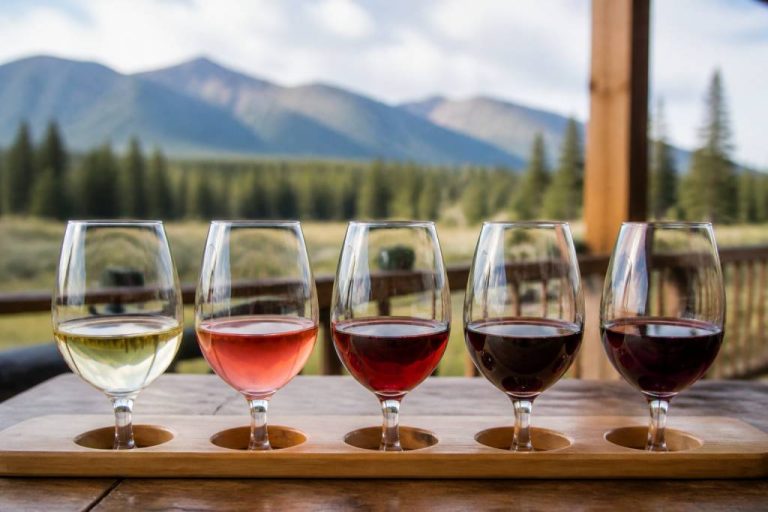
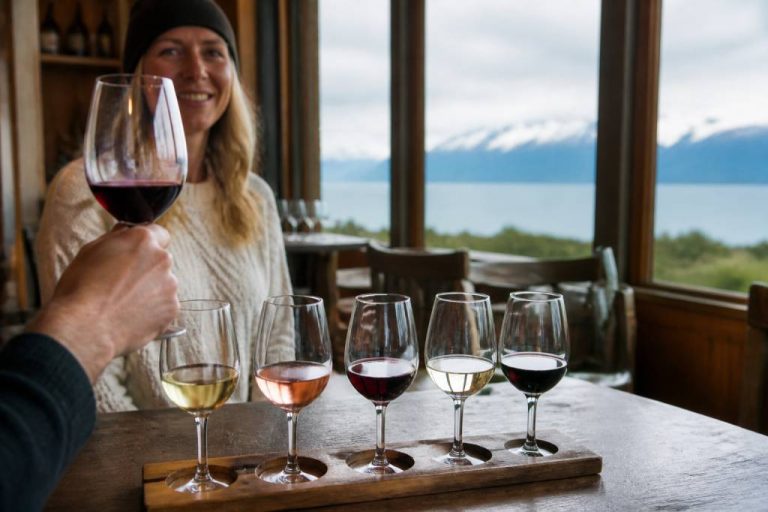
Flights are often compact and intentional. Instead of ten tiny pours that blur together, you may see a focused lineup that highlights different styles or seasonal offerings. That is a good thing. When the goal is to taste with precision, fewer wines usually mean better attention to detail.
Pay attention to three things during a tasting:
And yes, ask questions. A good host will usually welcome them. Ask about the grape, the fruit source, the fermentation style, or the pairing the team recommends. Wine tasting is more useful when you treat it like a conversation instead of a quiz.
How to taste wine like a local instead of a tourist in a rush
The fastest way to get more from a tasting is to slow down. That does not mean turning the experience into a lecture. It means giving each wine a few extra seconds of attention before deciding what you think.
Start with the color, then smell before you sip. In cooler regions, aromatic whites and fruit wines can be especially expressive. You may notice citrus, orchard fruit, floral notes, or tart berry character. On the palate, look for acidity, sweetness level, texture, and length. In a place like Alaska, freshness is often part of the style, not an accident.
Keep your palate clean. If possible, avoid strong coffee, heavy sauces, or mint gum right before tasting. Water helps, and so do plain crackers if they are offered. The goal is not to be dramatic; the goal is to notice what is actually in the glass.
If you are tasting several wines, order matters. Start with lighter styles and move toward more intense or sweeter wines. If the staff gives you a recommended sequence, follow it. There is usually a reason behind it.
Food pairings that work especially well in Homer
One of Homer’s strengths is that it makes food pairing easy. The local table leans toward seafood, fresh produce when available, and comfort-driven dishes that can handle a range of wine styles. That gives you room to experiment.
Here are a few reliable combinations:
If you are unsure what to order, think about the balance on the plate. Rich dishes usually want acidity. Delicate seafood often prefers a wine that does not overpower it. Sweet wines are not only for dessert; they can also work well with salty or spicy food, which surprises people who have only seen them paired with cake.
A small but useful tip: when eating fish, avoid wines that are aggressively tannic unless the preparation is rich enough to support them. A heavy red can flatten the freshness of a simple seafood dish. Homer’s food is often at its best when the pairing respects the ingredients instead of trying to dominate them.
Local experiences to pair with your tasting day
A good wine outing in Homer should not stand alone. The town has enough to fill an entire day, and the best itinerary usually combines tasting with a few low-stress local experiences.
Start at the waterfront. The Homer Spit is a natural first stop because it puts you close to the harbor, local shops, and views that remind you why people come to this corner of Alaska in the first place. Even a short walk there helps reset the palate before or after a tasting.
For a more scenic experience, spend time looking across Kachemak Bay. Weather changes quickly here, and that is part of the attraction. Light, clouds, and water can transform the landscape within minutes. It is an ideal backdrop for a relaxed afternoon, especially if you are taking your time between tastings.
Art galleries and small shops are another strong fit. Homer has a creative streak, and that pairs well with the independent spirit of local wineries and tasting rooms. If you enjoy products with a story, you will likely enjoy browsing here as much as you enjoy the glass in your hand.
For travelers who want something more active, consider a harbor tour, a kayak excursion, or a guided nature outing. Then return for wine later in the day. That rhythm works because it gives the tasting a sense of reward. Wine tastes better when you have earned it, even if “earning it” means walking a scenic trail instead of climbing a mountain.
What to ask a tasting room host
Good questions make a tasting more useful. They also help you understand the production choices behind the wine, which is especially important in smaller or regionally distinctive operations.
Useful questions include:
If the winery uses local fruit, ask where it is sourced and how the growing season affected the final wine. In cool climates, vintage variation can be meaningful. Temperature, sunlight, and harvest timing all influence acidity and ripeness. That is not just industry trivia; it is often the reason one vintage tastes sharper, richer, or more aromatic than the next.
How to plan a smart tasting route in Homer
Plan lightly, not rigidly. Homer rewards flexibility. A good route usually works best when you limit the number of stops and leave room for meals, weather, and spontaneous discoveries.
A practical approach looks like this:
Do not try to squeeze in too many tastings in one afternoon. Wine fatigue is real, and by the fourth pour, your notes start to sound suspiciously poetic. A focused visit is almost always more rewarding than a frantic one.
If you are traveling with a group, agree in advance on the pace. Some people want detailed discussion; others want a relaxed social stop. Homer works best when everyone accepts that the day is about enjoyment, not efficiency.
Seasonal considerations for wine tasting in Alaska
Seasonality matters in Homer more than in many mainland wine destinations. Summer brings long daylight hours, more outdoor activity, and a larger window for exploring before or after a tasting. That is the easiest time to pair wine with sightseeing.
Shoulder seasons can be quieter and more reflective. You may find a slower pace, less crowding, and more time to talk with staff. That can be ideal if you want a deeper tasting conversation.
Weather, of course, is part of the Alaska experience. Dress in layers and plan for changes in temperature, wind, and rain. A good tasting day should not depend on perfect weather. If anything, the changing conditions make a warm, well-run tasting room feel even better.
Wine styles that fit Homer’s food and setting
Not every wine style feels equally at home in Homer. The best matches are usually wines with freshness, clarity, and enough structure to work with seafood and local dishes.
Look for:
If you enjoy classic Old World structure, focus on balance rather than intensity. If you prefer a more aromatic or playful style, fruit-forward wines can be a smart place to start. The best choice is the one that suits the meal, the weather, and your palate at that moment.
Final tips for getting the most from your Homer wine experience
Arrive curious, not predetermined. Homer is not the place to prove that you already know everything about wine. It is a place to observe how local producers adapt to climate, ingredients, and a distinctive regional audience.
Drink water, taste thoughtfully, and buy only what you genuinely want to open later. A bottle should be a memory you can revisit, not an obligation sitting in your luggage.
Most of all, connect the wine to the place. In Homer, that connection is the point. The bay, the harbor, the food, the people, and the glass all belong to the same experience. When you taste that way, the trip becomes much more than a stop on a map.
And if you leave with a better understanding of cool-climate wine, a new favorite pairing, and one very good story about a tasting room overlooking Alaska’s coastline, then the day has done its job.
À propos de l'auteur