How to find the best cocktail bar close to me for a unique mixology experience
Understanding What Makes a Cocktail Bar Stand Out
Not all cocktail bars are created equal. In a time where mixology is gaining mainstream attention, knowing how to identify a venue that delivers more than just a strong pour becomes essential. So, what transforms an average bar into a memorable mixology destination?
First: skill and creativity behind the bar. An exceptional cocktail bar isn’t just mixing drinks—it’s curating experiences. Bartenders—often called mixologists in this context—are trained, curious, and passionate. They don’t just memorize recipes; they understand flavor layering, balance, and presentation. Ask yourself: does this bar offer seasonal menus? Are the cocktails categorized by flavor profile or spirit base? Are ingredients made in-house?
Second: ambiance. It doesn’t have to be plush velvet and candlelight, but a bar with intentional design—lighting, music, layout—tells you the team cares about the customer journey. If your bartender is discussing the origin of a house-made bitters while jazz plays softly in the background, you’re likely in the right place.
Search Strategies: Going Beyond Google Maps
Typing « best cocktail bar near me » into a search engine is a start, but let’s be honest: it’s only scraping the surface. Algorithms prioritize proximity and popularity—not expertise or uniqueness. Here’s how to dig deeper:
- Use targeted platforms: Instead of general reviews on Google or Yelp, explore apps like Distiller or Punch that cater to spirits enthusiasts. These often provide curated bar lists and reviews written by people who know their Chartreuse from their Midori.
- Instagram storytelling: Check geotags and hashtags like
#craftcocktailsor#mixologybarin your city. Images tell you as much about bar style and drink presentation as any 5-star review. - Local Reddit threads or industry forums: Subreddits like r/cocktails or even your city’s Reddit board often have discussions about hidden speakeasies or award-nominated bartenders most tourists never hear about.
Still unsure? Don’t underestimate word of mouth. Talk to servers or sommeliers at wine-forward restaurants. Chances are, they screw-cap their favorite cocktail spots in the same way we cherish our preferred vineyards.
Key Characteristics of a Worthwhile Cocktail Bar
Once you’ve got a few names in mind, the next step is identifying which of these places will offer an outstanding mixology experience versus just another fancy-drink night out. Here’s what to look for:
- Menu Philosophy: Is the cocktail list creative yet coherent? A good sign: categories like “Bright & Herbal” or “Bold & Boozy.” Avoid menus that attempt to cram whiskey infusions, frozen daiquiris, and 12-layer tiki drinks into one chaotic document.
- Ingredient Integrity: Do they use fresh citrus, quality spirits, and house-made syrups or shrubs? If you spot mass-market mixers behind the bar, take it as a red flag. Real mixologists avoid shortcuts.
- Bartender Engagement: A true mixology-focused bar encourages dialogue. If the bartender asks what you typically enjoy in a drink and tailors something unique to your taste, you’re in elevated territory.
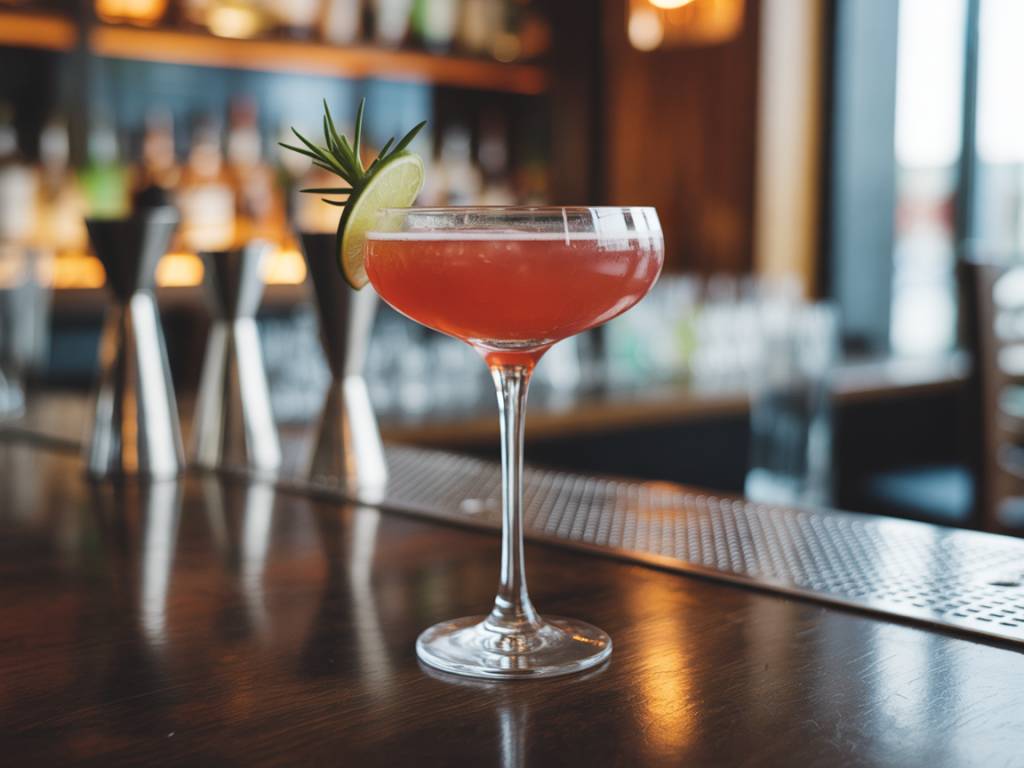
- Presentation and Glassware: It’s not just about looking pretty on Instagram. Proper glassware shows an understanding of how aroma, temperature, and form impact flavor—just as we see in wine tasting.
During a recent trip to Santa Fe, I entered a modest-looking storefront bar. Inside, I found a bartender hand-shaving ice, using house-made cinnamon tincture, and explaining the pH balance in their clarified milk punch. That wasn’t “just” a bar—that was liquid architecture in a coupe glass.
The Role of Seasonal and Local Ingredients
A bar serious about its craft will reflect the season—not only for flavor, but because seasonality reveals flexibility and a chef-like mentality. Just like a winery rotates vintages, great cocktail programs evolve with time and availability. A rhubarb-infused mezcal sour in spring? Yes. A cherry wood–smoked old fashioned as the snow falls? Absolutely.
Some bars go even further by sourcing ingredients locally. This not only supports nearby producers—something we deeply value in wine culture—but also adds a sense of terroir to the cocktail itself. It’s a beautiful intersection of agricultural heritage and liquid artistry.
Don’t Underestimate Bar Staff Background
Want a shortcut to identifying true craft? Ask subtly about the bartender’s background. Many exceptional mixologists have previous wine or culinary training. Some even have WSET certifications. They understand palate precision. One of the best cocktails I’ve ever had was in a converted garage in Portland; the bartender had been a level-three sommelier who pivoted during the pandemic.
The results? Impeccable balance. A gimlet so refined it unfolded in stages: lime, coriander, elderflower, gin botanicals—each note clean, intentional. It reminded me of a slowly aerated red—a drink that evolves over time in the glass.
Opt for Bars with Tasting Flights or Mixology Workshops
Some cocktail bars offer flights—yes, like in wine tasting. Think side-by-side margaritas with varying citrus bases, or three styles of Negroni made with different vermouths or bitters. This allows you to experience nuance and chemistry firsthand.
A few establishments even offer hands-on workshops. It’s a brilliant way to learn—from shaking technique to how dilution affects structure—while sipping your own creation. Ask upfront if these options exist. It’s a marker of a bar confident in its craft and eager to educate.
The Quiet Elegance of a Hidden Speakeasy
Speakeasy-style cocktail bars embody the “if you know, you know” ethos. They often fly under the radar, have no signage, and require either a password or smart sleuthing to enter. Some see this as pretentious—but when done right, it adds intimacy to the drinking experience.
An unmarked door behind a bookshelf, or a phone booth entrance, can be part of a storytelling ritual. Inside, low lights and leather-bound menus set the tone. Drinks feel like secrets shared among friends. If atmosphere matters as much as taste, don’t rule out these hidden gems.
Red Flags: When to Walk Away
Even in well-rated venues, not all is golden garnish and smoked sprigs. Know when to gracefully finish your drink and move on:
- Overly sweet or out-of-balance drinks: If your first cocktail tastes like a spiked slushie, and the second is pure alcohol burn, it’s a skill issue—not just a palate difference.
- Indifferent staff: If you ask for a cocktail recommendation and get a blank stare or a rushed answer, the environment likely doesn’t prioritize craft.
- No variation or innovation: A menu that hasn’t changed in over a year is a red flag. Great cocktail bars evolve just like a forward-thinking cellar.
My personal rule: if I request a classic like a Sazerac or Corpse Reviver #2 and it either confuses the bartender or turns out unbalanced, I settle the check and thank them kindly. Life is too short for mediocre spirits.
Pairing Cocktails with Bites: A Bonus Experience
Some of the most memorable mixology spots also double as small-plate havens. A rosemary gin fizz with a goat cheese tartlet, or a smoked Manhattan with house-made charcuterie—this is the intersection of food and drink we crave as gastronomy lovers.
Ask if the bar offers pairing recommendations. A seasoned bartender will know that the bitterness of a Negroni cuts the richness of duck confit, or that a cucumber-forward cocktail elevates delicate seafood.
And yes, the interplay mimics wine pairing principles: acidity, weight, aromatic intensity. It’s one more proof that thoughtful cocktail drinking isn’t far removed from wine appreciation—it’s a sibling discipline.
Let Curiosity Be Your Compass
Finding the best cocktail bar near you isn’t about chasing hype. It’s about seeking flavor, craftsmanship, experience, and a little magic in the process. Like discovering a beautiful new bottle of wine, the perfect cocktail venue reveals itself through curiosity, experimentation, and taste.
So next time you’re scrolling through reviews or wandering a new neighborhood, keep an eye out for passion behind the bar. Ask questions. Try something unexpected. The best nights often start with the sound of a shaker, a knowing smile, and the words, “What do you usually like to drink?”
À propos de l'auteur